August 18, 2026
Propane is a versatile and reliable energy source used by many homeowners across the country. It is known for its efficiency and cost-effectiveness, making it a popular option for heating, cooking, and various other domestic applications. However, like any fuel, its usage requires adherence to specific safety measures to prevent accidents and ensure the overall well-being of the household. Understanding how to store, operate, and maintain these energy systems empowers residents to benefit from fuel efficiency without compromising safety. According to the National Propane Gas Association, roughly 61% of Americans who own outdoor grills use propane, which highlights just how common this energy source is in everyday life. Establishing clear safety protocols and following best practices helps eliminate potential hazards and optimizes equipment longevity.
Understanding Propane Systems
Liquefied petroleum gas, commonly known as propane, is stored in a liquid state under pressure and converted into a gas for residential consumption. It is a clean-burning byproduct of natural gas processing and petroleum refining that provides high energy output with lower carbon emissions than many alternative fuels. Beyond its environmental benefits, this fuel source is exceptionally reliable because it does not degrade over time, making it an ideal choice for emergency backup generators and seasonal appliances. Whether used for central heating systems, water heaters, or cooking appliances, propane delivers consistent performance across various home setups.
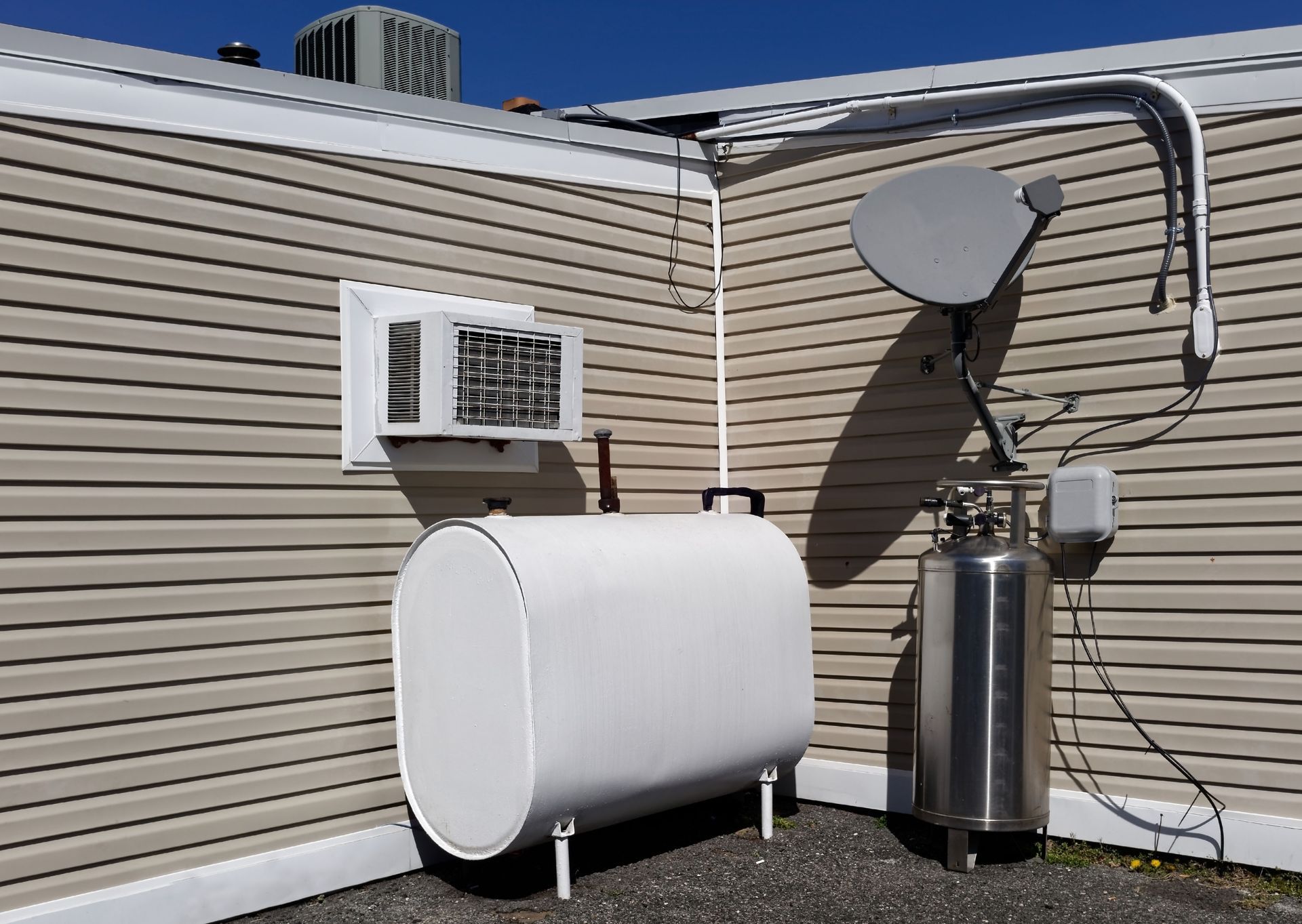
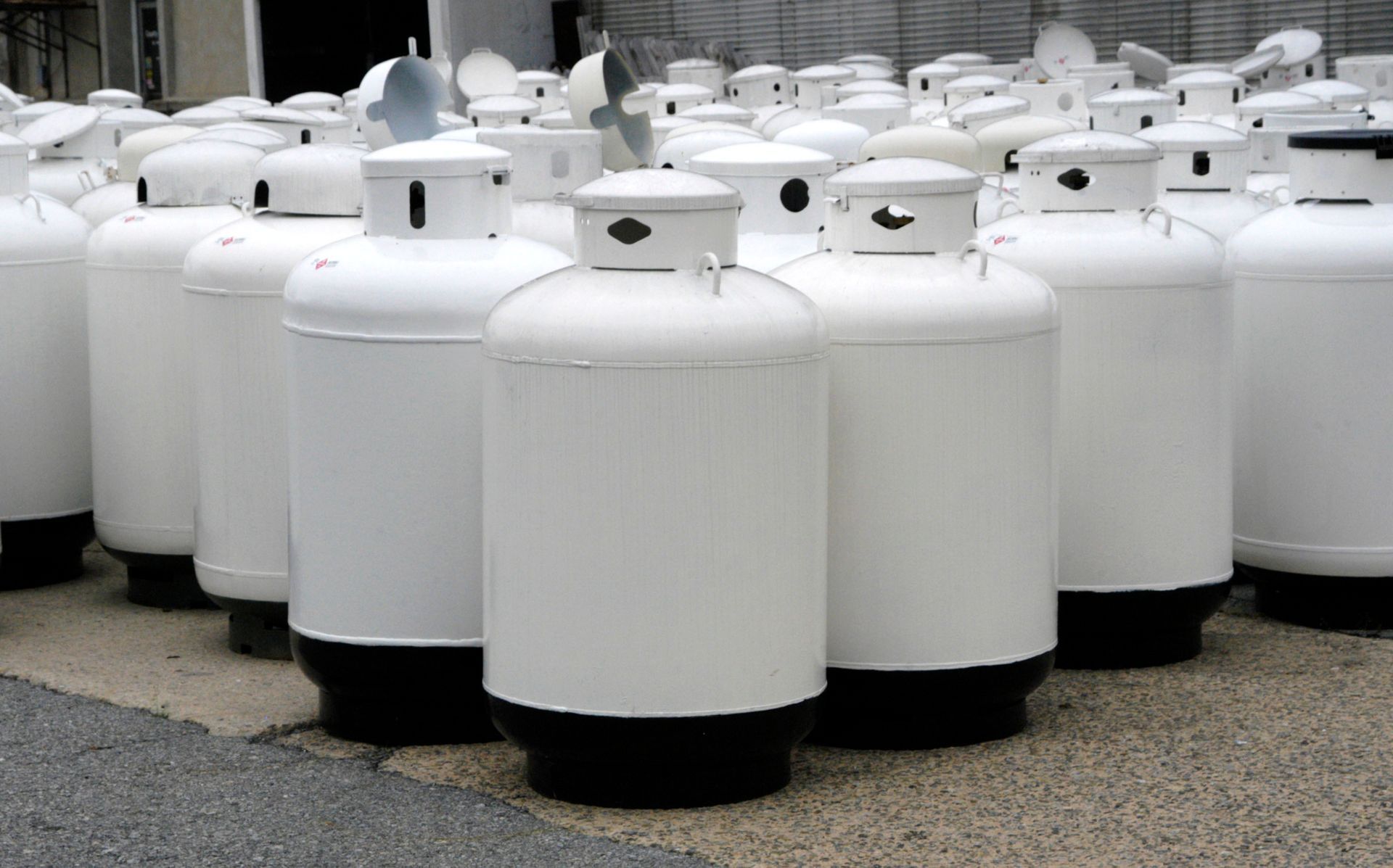
System storage requirements vary depending on household consumption, space constraints, and local regulations. Residential applications typically utilize above-ground tanks, underground storage systems, or portable cylinders for smaller equipment. Larger stationary tanks require strategic placement on the property to maintain safe clearances from structural walls, property boundaries, and potential ignition sources. Partnering with a reputable energy provider ensures that fuel delivery occurs safely and that all storage equipment remains compliant with local building and fire codes.
Because natural propane is naturally odorless, manufacturers intentionally add a chemical odorant called ethyl mercaptan to assist in quick leak detection. This additive creates a distinctive smell similar to rotten eggs or sulfur, warning occupants of escaping gas. Educating every family member about this specific odor is a critical step in household safety. If the distinct smell of gas is ever detected inside or around the home, occupants should immediately evacuate the premises, avoid operating electrical switches or open flames, and call emergency services from a safe distance.
Installing Equipment Safely
The installation of residential gas systems should always be entrusted to certified and licensed technicians. Qualified professionals possess the technical training required to design piping layouts, establish proper line pressure, and verify that all connections meet stringent national and local safety codes. Improperly installed lines or appliances can result in leaks, inefficient combustion, and hazardous gas buildup. Verifying a contractor's credentials before starting any installation project ensures that your home infrastructure is set up correctly from the very beginning.
During the setup process, technicians evaluate the specific energy requirements of the household to recommend the correct tank size and appliance distribution network. They also assess surrounding environmental factors, ensuring that outdoor tanks rest on stable, non-combustible pads that prevent shifting or settling over time. Proper placement protects lines from physical impact and minimizes exposure to standing water or excessive moisture. Comprehensive professional installation lays the groundwork for long-term operational efficiency and safety.
Upgrading outdated or aging gas equipment is another critical aspect of system installation. Modern appliances are engineered with advanced safety features, such as automatic shut-off valves and electronic ignition systems, which reduce operational risks while increasing fuel efficiency. Transitioning to modern heating units or water heaters can significantly lower overall energy consumption. Working alongside certified installers during an upgrade guarantees seamless system integration and optimizes overall performance.
Maintaining Household Tanks
Establishing a regular inspection and maintenance schedule is fundamental to keeping residential fuel systems operating safely and efficiently. Routine maintenance should include annual assessments by a qualified technician who can test system pressure, check regulatory valves, and inspect visible piping for signs of wear or degradation. Regular checkups help catch minor hardware issues before they escalate into costly repairs or potential safety hazards. Maintaining an organized record log of all inspections, servicing, and repairs provides a clear history of system health and helps satisfy insurance requirements.
Preventing physical corrosion on storage tanks and distribution lines is vital for preventing fuel leaks. Outdoor tanks are continuously exposed to changing weather conditions, which can deteriorate protective coatings over time and lead to rust. Inspecting the tank surface regularly for flaking paint, rust spots, or structural denting allows homeowners to address exterior damage promptly. Technicians can apply protective coatings or install sacrificial anodes to safeguard metal components from electrolytic corrosion, particularly on underground storage tanks.
Routine leak testing should be integrated into every standard maintenance plan. Homeowners can perform simple visual checks on exposed connections using an approved leak-detection solution or soapy water, looking for active bubbling that indicates escaping gas. However, formal pressure tests conducted by professionals offer the highest level of assurance regarding system integrity. Keeping surrounding vegetation trimmed away from outdoor tanks also ensures clear access for service technicians and prevents debris from trapping moisture against the tank surface.
Operating Appliances Properly
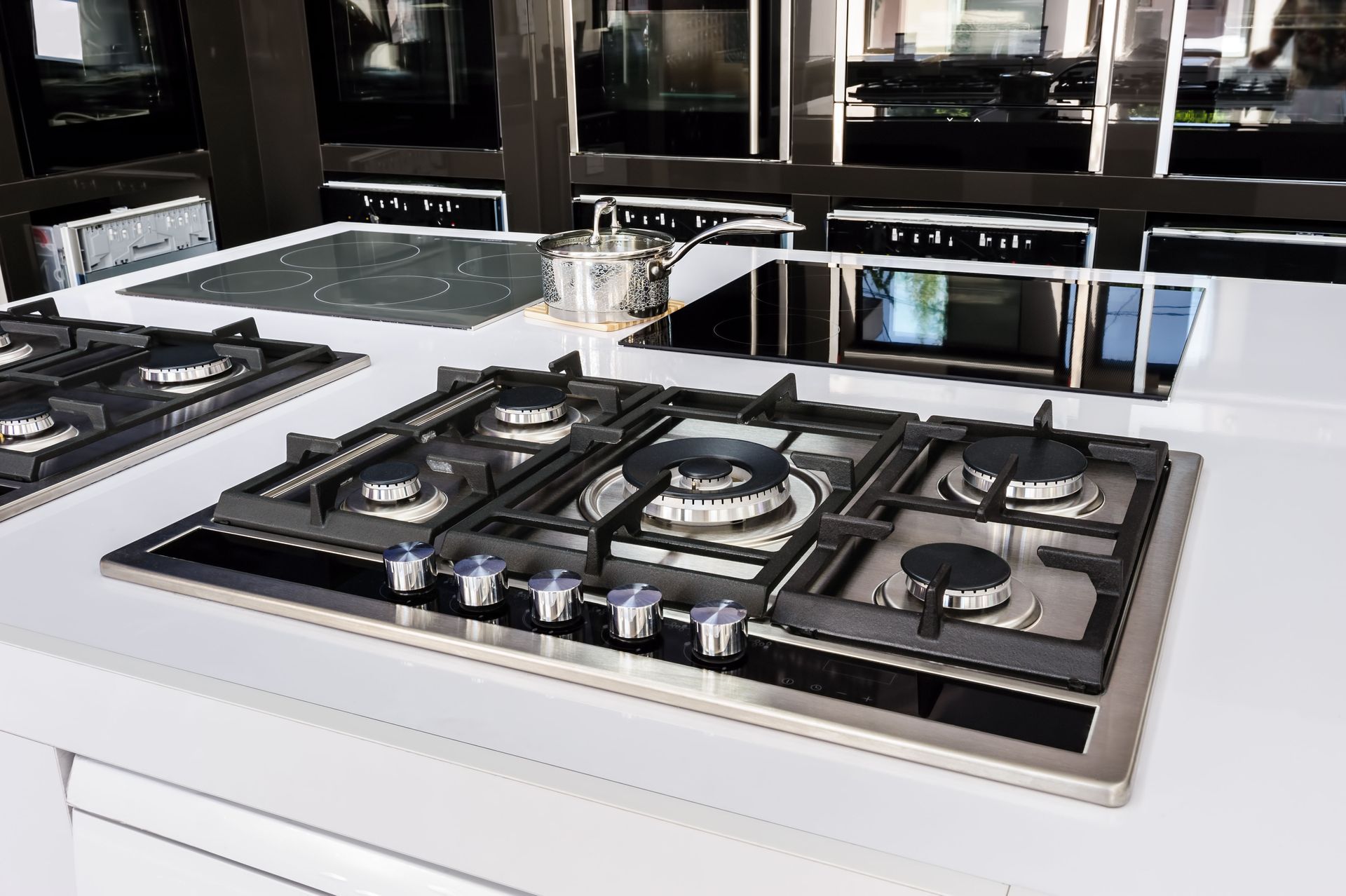
Operating gas appliances safely requires strict adherence to the operating procedures outlined in the manufacturer instructions. User manuals contain detailed guidance on proper startup sequences, temperature controls, clear space requirements, and recommended servicing schedules tailored to specific equipment models. Deviating from these instructions can cause incomplete fuel combustion, reduce operational efficiency, and void equipment warranties. Keeping manuals accessible ensures that occupants can reference correct operating steps and basic troubleshooting procedures whenever necessary.
Adequate ventilation is essential for any gas-burning appliance to prevent the accumulation of harmful combustion byproducts, including carbon monoxide. Furnaces, water heaters, and interior space heaters must be vented properly to the outdoors using undamaged, unobstructed flue pipes. Homeowners should regularly inspect exhaust vents for bird nests, soot buildup, or physical blockages that could restrict airflow. Additionally, installing certified carbon monoxide detectors on every level of the home provides a vital layer of protection by alerting residents to toxic gas buildup.
Preventing the overcrowding and overuse of home appliances protects the fuel system from unexpected strain. Placing heat-producing appliances too close to flammable materials or cluttering utility rooms restricts necessary airflow and creates fire hazards. Operating multiple high-demand appliances simultaneously should be managed properly to maintain consistent supply pressure throughout the system. Giving each appliance sufficient operating space ensures proper heat dissipation, clean fuel combustion, and reliable performance.
Storing Cylinders Responsibly
Smaller portable cylinders used for outdoor grills, patio heaters, and tailgating require specific storage procedures to prevent dangerous gas accumulation. Portable cylinders must always be stored outdoors in well-ventilated areas, away from direct sunlight, sources of heat, and open flames. Never store portable cylinders inside a home, garage, basement, or shed, as escaping gas in an enclosed space can easily ignite. Keep cylinders standing upright on a flat, stable surface to ensure the pressure relief valve functions properly.
When transporting portable fuel cylinders for refilling or exchange, secure them in an upright position within your vehicle to prevent tipping or rolling. Ensure the cylinder valve is completely closed and capped if applicable. It is important to transport cylinders directly to your destination and remove them from the vehicle immediately upon arrival, as heat can rapidly build up inside a parked car and trigger the pressure relief valve to release gas.
Prioritizing proper handling, regular system inspections, and professional maintenance allows homeowners to enjoy the exceptional efficiency and convenience of gas energy with total peace of mind. By taking simple precautions, such as recognizing the distinct odor of gas, maintaining clear ventilation, and scheduling annual tune-ups, you protect your home and family from preventable hazards. Investing in safety today ensures that your heating, cooking, and outdoor living systems deliver reliable comfort for years to come. For more information about the services that we offer, reach out to our incredible team at Aspen Valley Propane today!