June 26, 2026
Energy independence and consistent comfort are primary goals for households seeking reliable utility solutions. Choosing an effective fuel source involves evaluating efficiency, environmental impact, and financial commitments to ensure the household operates smoothly throughout every season. Propane has emerged as a preferred alternative for many suburban and rural properties due to its versatility and high energy output. Central to establishing this power source is selecting the appropriate propane tanks to contain the fuel, as the size and placement of these units directly influence daily living routines. Homeowners must carefully analyze their specific heating, cooking, and auxiliary power requirements before investing in a permanent fueling infrastructure. According to TechAvino, the propane industry is estimated to rise to 9.21 billion between 2025 and 2030. This growth reflects a shift toward cleaner, decentralized energy systems. By understanding the unique factors that govern residential fuel storage, property owners can make informed decisions that enhance safety, maximize efficiency, and provide uninterrupted warmth for their families regarding propane tanks.
Assessing Your Home Energy Consumption
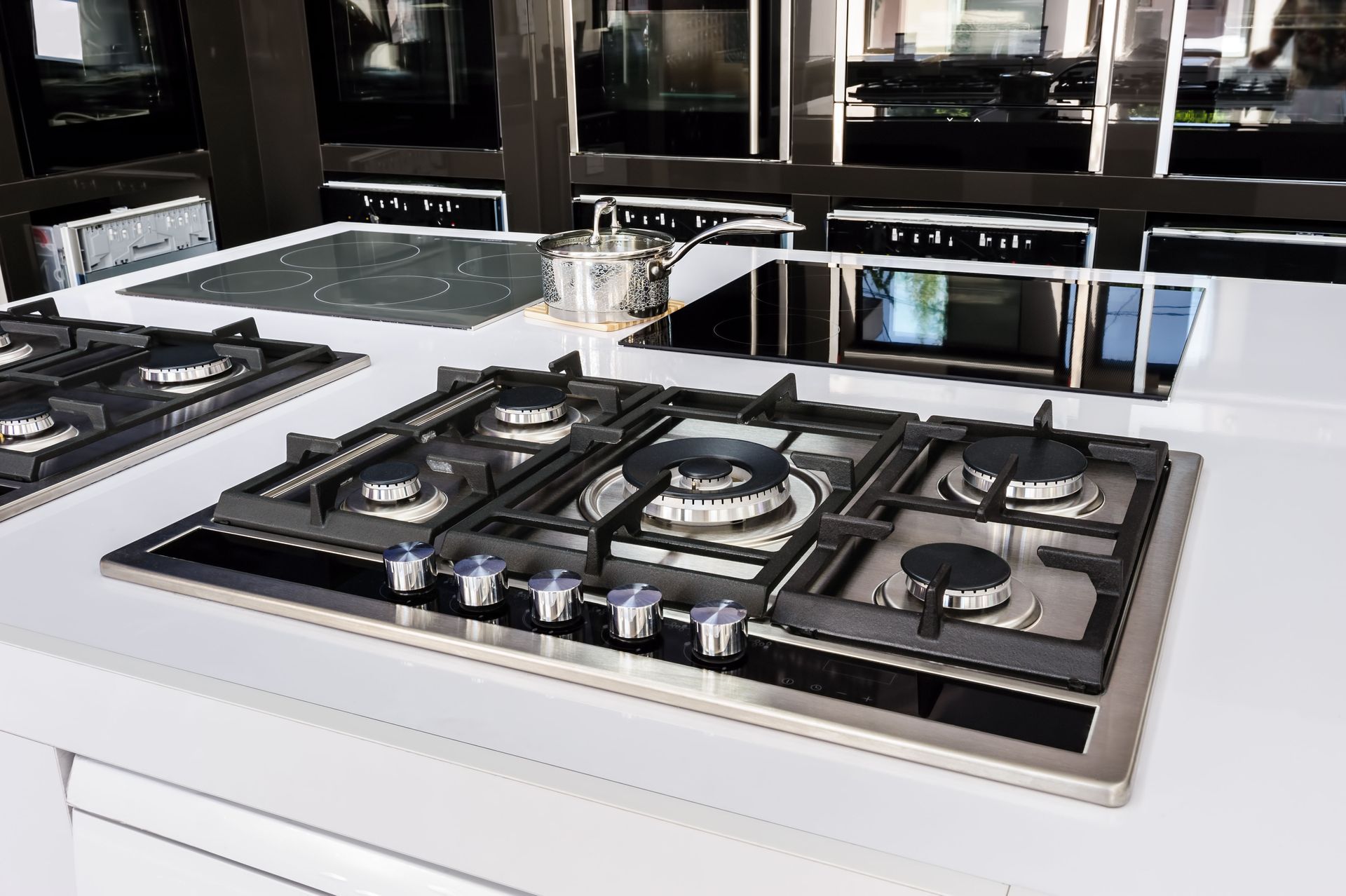
Determining the total energy demands of a household represents the foundational step in selecting the most appropriate containment units. Appliances that utilize gas, from central furnaces and water heaters to kitchen cooktops and clothes dryers, contribute to the fuel consumed each month. Properties that rely entirely on gas for winter heating require a significantly larger storage volume than homes that merely utilize the fuel for occasional backyard grilling or supplemental fireplace ambiance. Failing to calculate these demands can result in fuel depletion and inconvenient refills during winter storms. Homeowners should look closely at the combined output ratings of all existing appliances and project potential future additions to establish an accurate consumption profile. A comprehensive evaluation of these variables ensures that the selected propane tanks possess adequate capacity to sustain the household through extended periods of extreme weather without interruption.
Climate and geographical location also play an influential role in defining domestic energy patterns and storage requirements. Regions with severe winters demand robust reserves to maintain comfortable temperatures over consecutive months. Conversely, households situated in milder climates might only require modest storage options since their primary usage centers around water heating or culinary applications rather than heavy space heating. Property accessibility for delivery vehicles matters, as remote locations prone to heavy snowfall may experience delayed service. Having a larger containment vessel provides a secure buffer against these supply chain disruptions, allowing families to remain safe and warm regardless of external transport conditions. By carefully selecting appropriate propane tanks to match local weather realities and usage habits, property owners can optimize their delivery schedules.
Evaluating Different Installation Methods
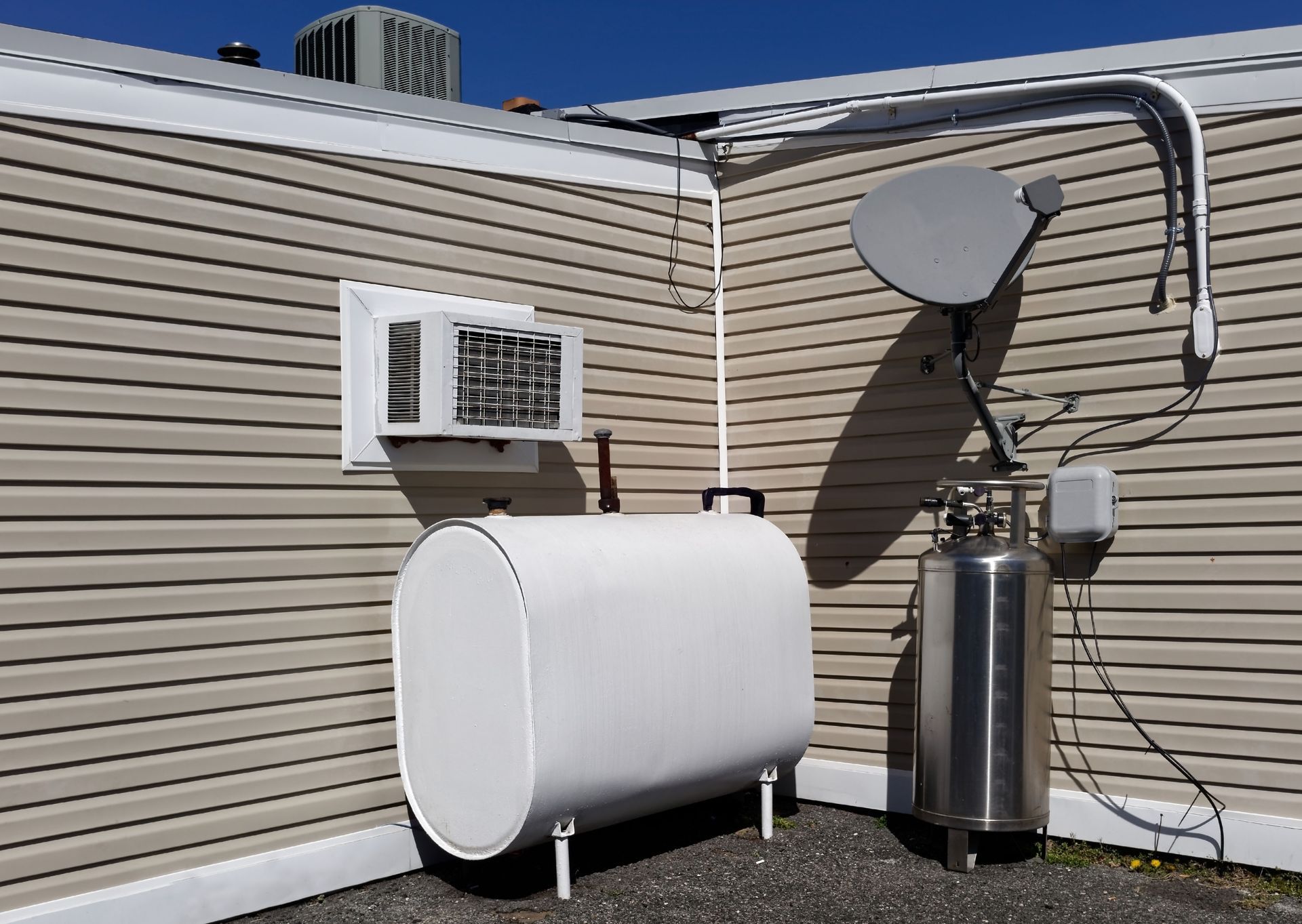
Property owners must choose between placing their fuel vessels above the ground or burying them beneath the surface of the lawn. Aboveground installations are favored for lower setup costs and ease of access during inspections and refilling operations. Modern units are treated with durable coatings designed to reflect sunlight and resist corrosion from rain and snow. However, these visible structures can impact the visual harmony of a carefully landscaped yard, requiring strategic placement or creative screening with non-combustible fencing or shrubbery. Local zoning regulations dictate the precise distance these propane tanks must be maintained from property lines, electrical sources, and building openings. Consulting with professionals ensures that aboveground placement complies with local ordinances while remaining accessible for fuel deliveries.
Underground installations offer an alternative for individuals who prefer an unobstructed landscape and maximized outdoor space. Burying the vessel leaves only a small, unobtrusive access dome visible at ground level, which houses the necessary valves, regulators, and gauges. This method provides excellent protection against extreme temperature fluctuations, as the surrounding earth acts as a natural insulator that helps maintain consistent internal pressure during bitter winter freezes. The excavation required for subterranean placement involves higher labor expenses and necessitates soil testing to prevent shifting. Specialized protective coatings are also utilized in underground setups to safeguard the metal hull against subterranean moisture and electrochemical corrosion. Despite the higher upfront investment, aesthetic benefits and protection from the elements make underground options attractive for residential properties.
Understanding Various Storage Capacities
Selecting the dimensions of a residential fuel vessel requires balancing space availability and household consumption rates. Small cylinders are suited for modest applications such as operating a cooking range or fueling a workshop heater. These compact units occupy minimal square footage and can be easily situated in discreet locations around the exterior of the home without disrupting architectural lines. For households that expand their usage to include continuous water heating or supplemental zone heating, mid-sized options provide a more substantial fuel reserve without requiring a massive physical footprint. These intermediate vessels reduce the necessity for frequent refills while ensuring appliances operate at peak efficiency.
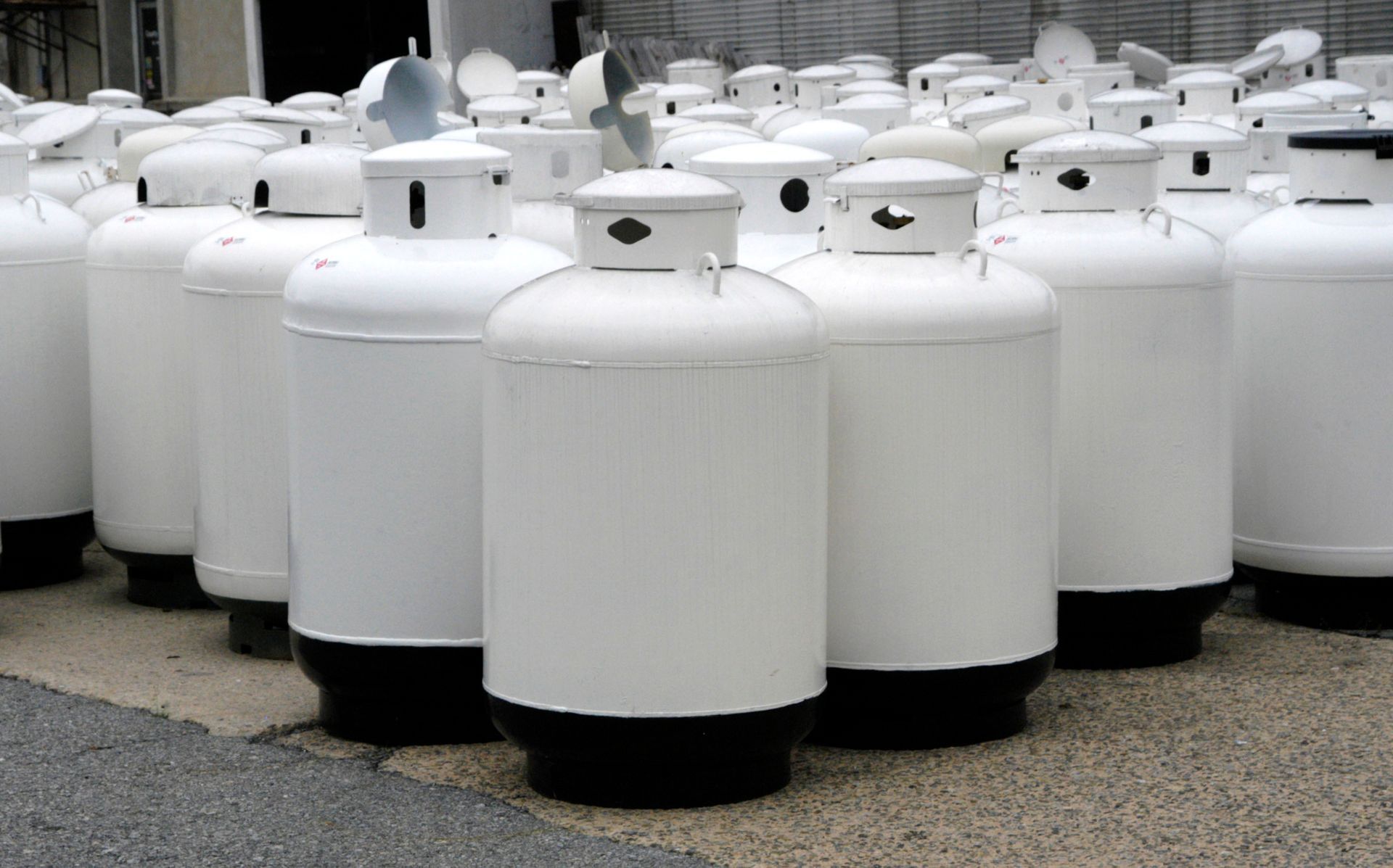
Comprehensive residential systems handling whole-house heating, cooking, and electrical generation demand the largest class of residential propane tanks. These substantial vessels are engineered to hold massive volumes of liquid fuel, providing ultimate peace of mind for large estates or homes located in severe winter climates. Utilizing a large-scale storage unit allows homeowners to purchase fuel in bulk quantities, often resulting in favorable pricing structures and fewer scheduled delivery disruptions. A large tank requires a spacious yard with clearance zones to satisfy safety standards regarding distance from structures. Property owners must evaluate family plans and potential expansions to determine if investing in maximum storage capacity is a prudent decision.
Prioritizing Regular Maintenance Protocols
Ensuring the long-term safety and efficiency of a home energy system requires a firm commitment to routine inspections and preventive care. Over time, environmental exposure can affect fittings and valves, potentially leading to leaks or performance declines. Technicians possess the diagnostic equipment required to perform pressure tests, check for rust, and verify that safety mechanisms function flawlessly. Property owners should visually inspect the area surrounding their propane tanks regularly, ensuring that dry brush, leaves, and combustible materials are cleared away to maintain a safe perimeter. Keeping the path clear of snow and debris facilitates efficient fuel transfers during adverse weather conditions.
Proactive maintenance extends beyond the physical shell of the vessel to include the regulators and connecting lines that deliver fuel into the household appliances. Regulators control the flow of gas and must be monitored closely to ensure they do not become clogged with debris or compromised by pests. Issues left unaddressed cause appliances to burn fuel inefficiently, resulting in higher costs. Establishing a consistent service relationship with a certified fuel provider ensures that qualified experts oversee the entire fuel delivery framework on a regular basis. This ongoing oversight minimizes unexpected system failures, extends equipment lifespan, and ensures household safety.
Making the right choice regarding domestic fuel storage involves a careful analysis of energy habits, installation preferences, storage volumes, and safety practices. Properly sized propane tanks transform a property into a self-sufficient haven capable of withstanding severe weather. By aligning storage capabilities with property constraints and family consumption needs, homeowners secure a reliable foundation for comfort. Navigating the selection process becomes seamless when partnering with knowledgeable professionals who understand the regional climate challenges and local safety compliance codes. For personalized guidance, dependable delivery services, and expert installation of propane tanks tailored to your unique household requirements, contact Aspen Valley Propane. We look forward to hearing from you!